
Insights
ESG, carbon and sustainability, explained
Practical articles on reporting standards, emissions and management systems.
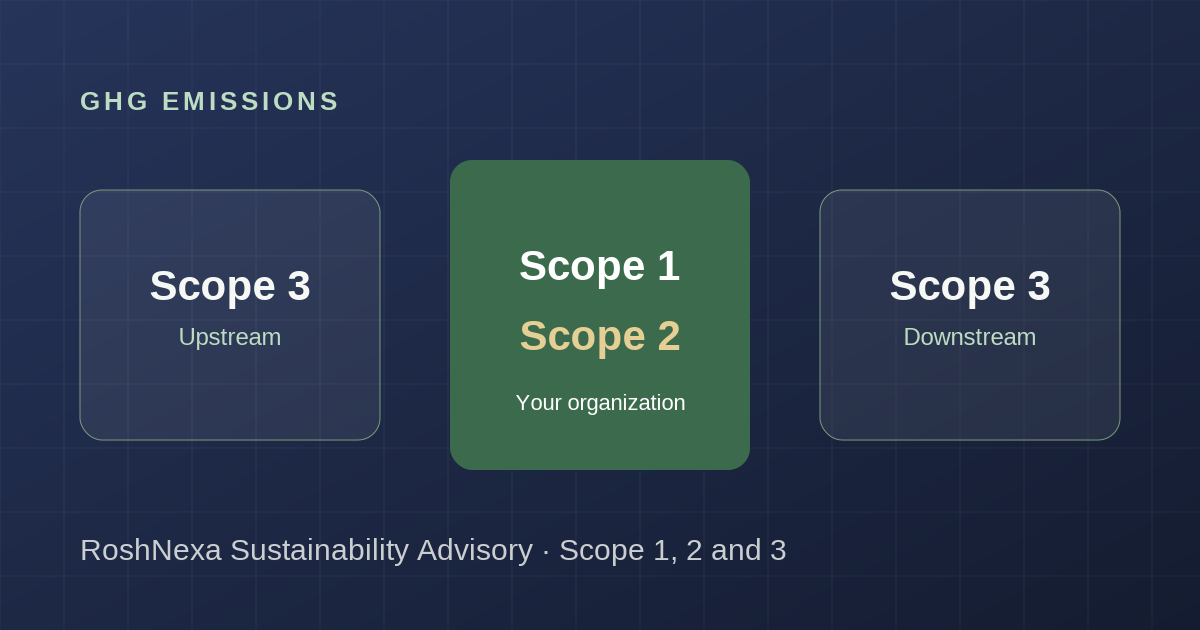
Scope 1, 2 and 3 emissions: what is the difference?
Scope 1, 2 and 3 are the three categories the GHG Protocol uses to classify an organization’s greenhouse gas emissions. This guide explains each scope with practical examples, lists the 15 Scope 3 categories and covers the mistakes that most often weaken an inventory.
GHG EmissionsScope 1, 2 and 3 emissions: what is the difference?
Scope 1 Scope 2 Scope 3 GHG Protocol ISO 14064-1
Scope 1, 2 and 3 are the three categories the GHG Protocol uses to classify an organization’s greenhouse gas emissions. This guide explains each scope with practical examples, lists the 15 Scope 3 categories and covers the mistakes that most often weaken an inventory.
 Carbon Management
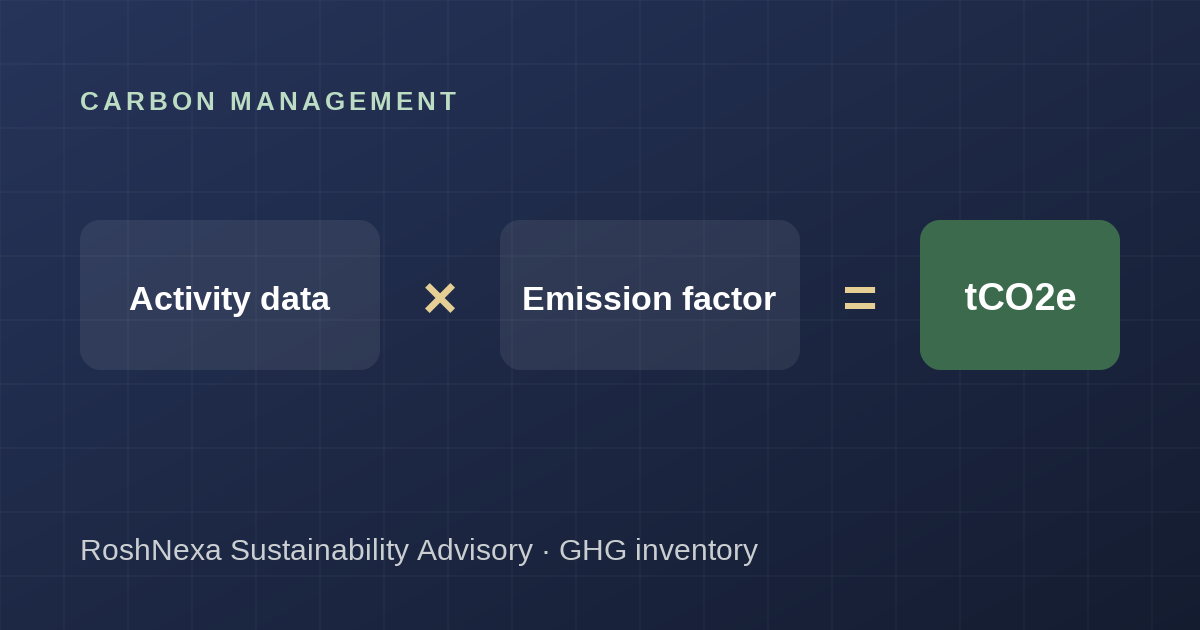
What is a greenhouse gas inventory, and how is a corporate carbon footprint calculated?
GHG inventory Carbon footprint Emission factors GHG Protocol ISO 14064-1 Verification
A corporate carbon footprint is calculated by multiplying activity data by emission factors, within clearly defined boundaries. This guide walks through the steps of building a greenhouse gas inventory that can stand up to verification.
 ESG
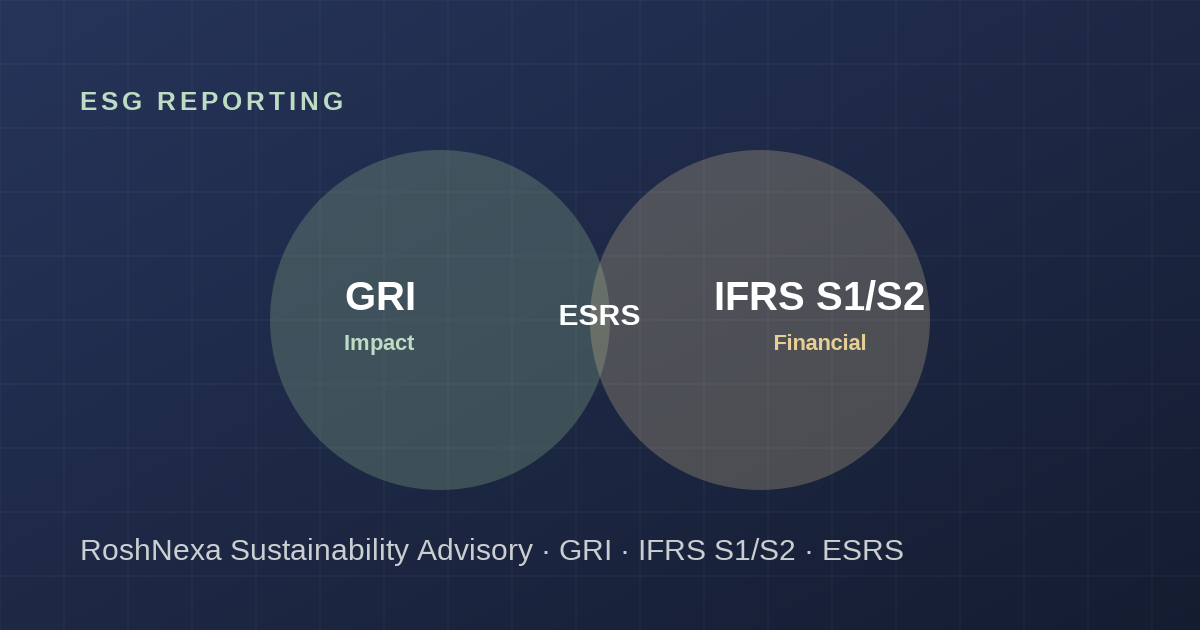
What is ESG reporting? GRI, IFRS S1 and S2, and ESRS compared
ESG reporting GRI IFRS S1 IFRS S2 ISSB ESRS Materiality
ESG reporting is how an organization discloses its environmental, social and governance performance, risks and impacts. This guide explains the main frameworks, how they differ on audience and materiality, and how to decide where to start.
 ISO Standards
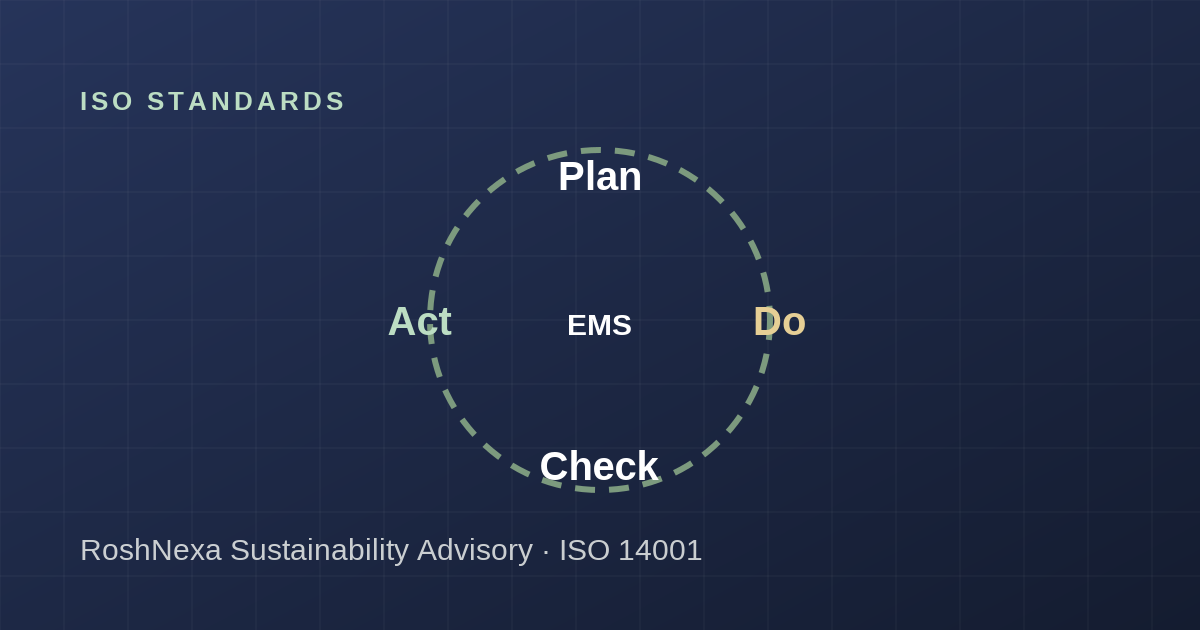
What is ISO 14001? How an environmental management system works
ISO 14001 Environmental management system EMS Certification Compliance
ISO 14001 is the international standard for environmental management systems. This guide explains what the standard requires, how the Plan-Do-Check-Act cycle works in practice and what certification involves.