
Dubai-based · Serving Pakistan, the GCC and global value chains
ESG strategy that works on the ground and stands up globally.
From GHG accounting and sustainability reporting to climate risk and decarbonization, RoshNexa turns complex ESG requirements into credible data, better decisions and practical action.

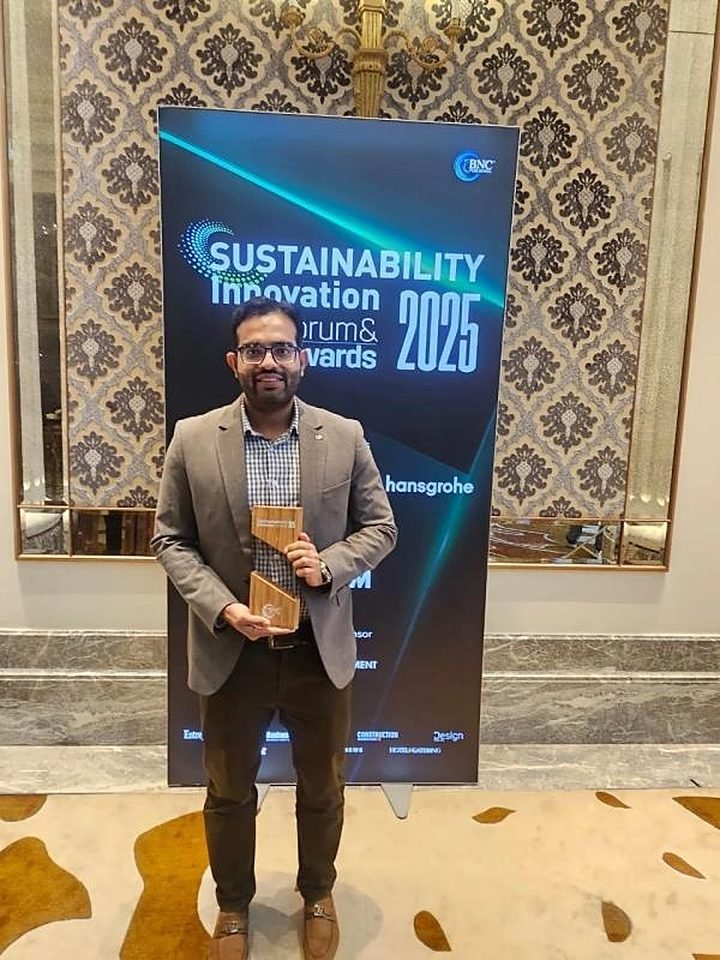
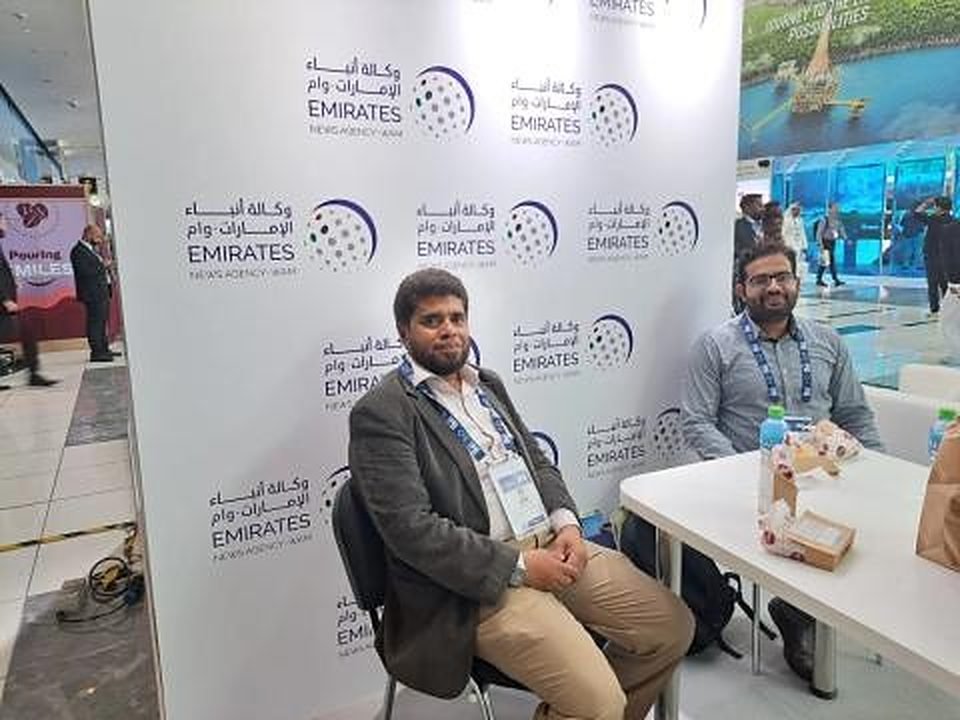
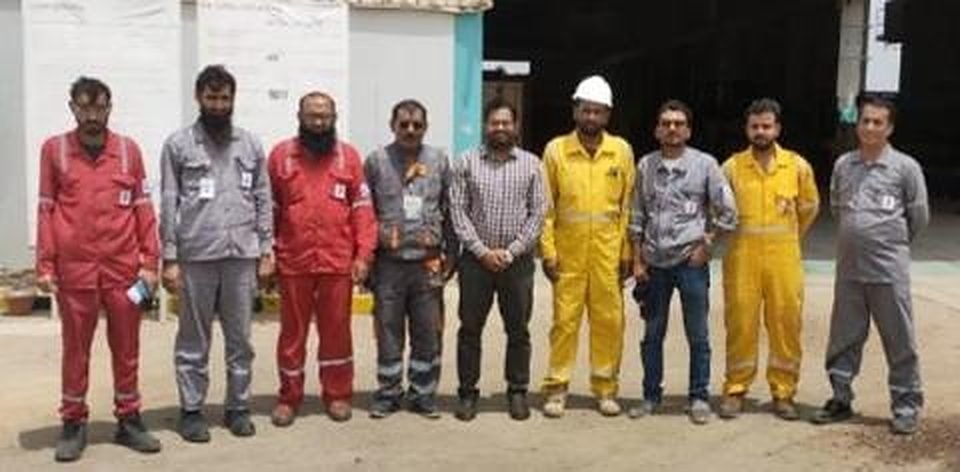 Industry awards · ADIPEC · Oil & gas field assessments
Field experience
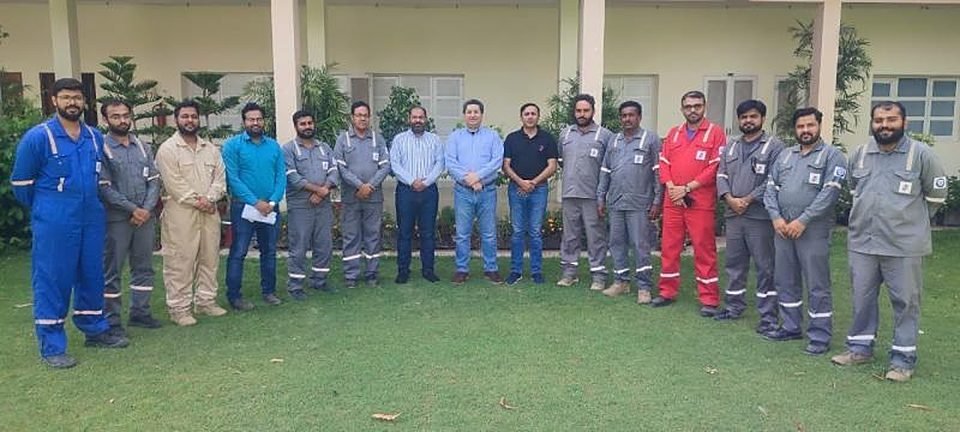
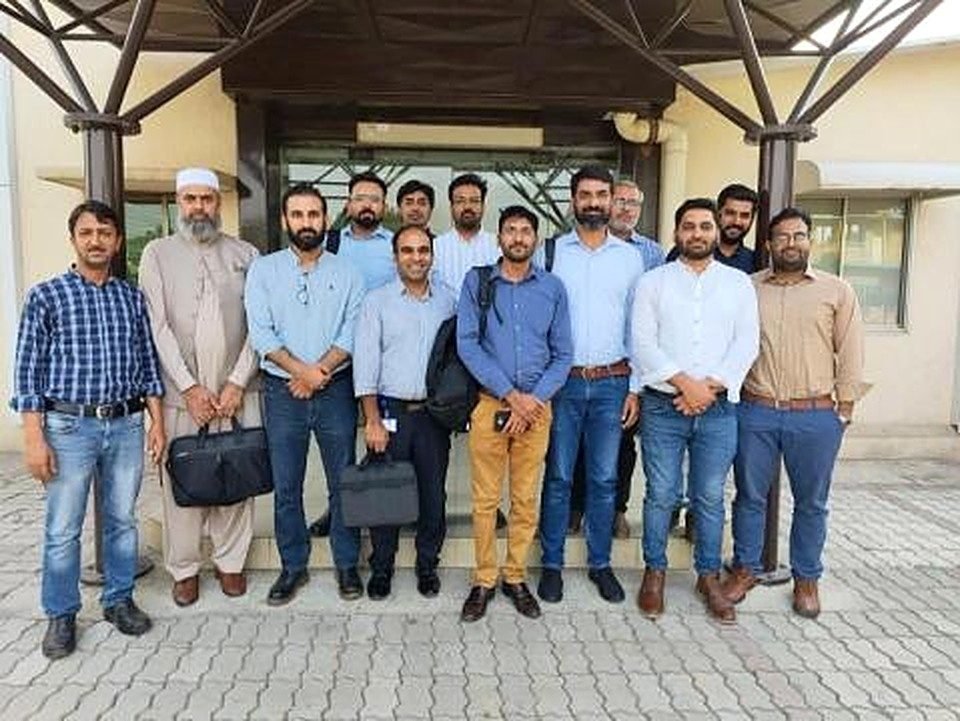
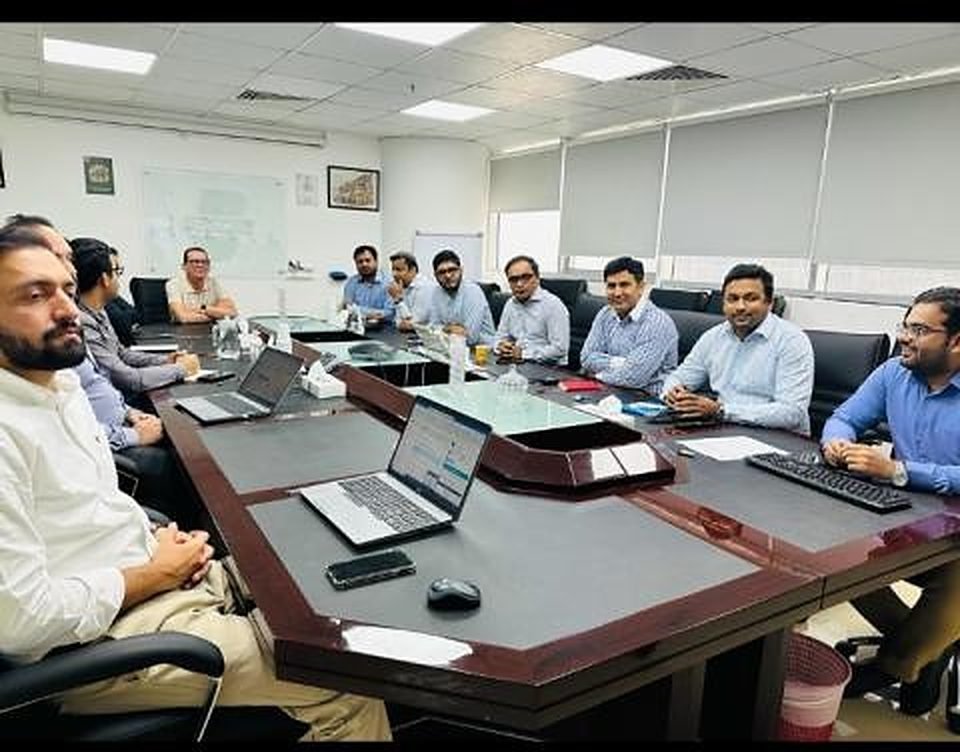
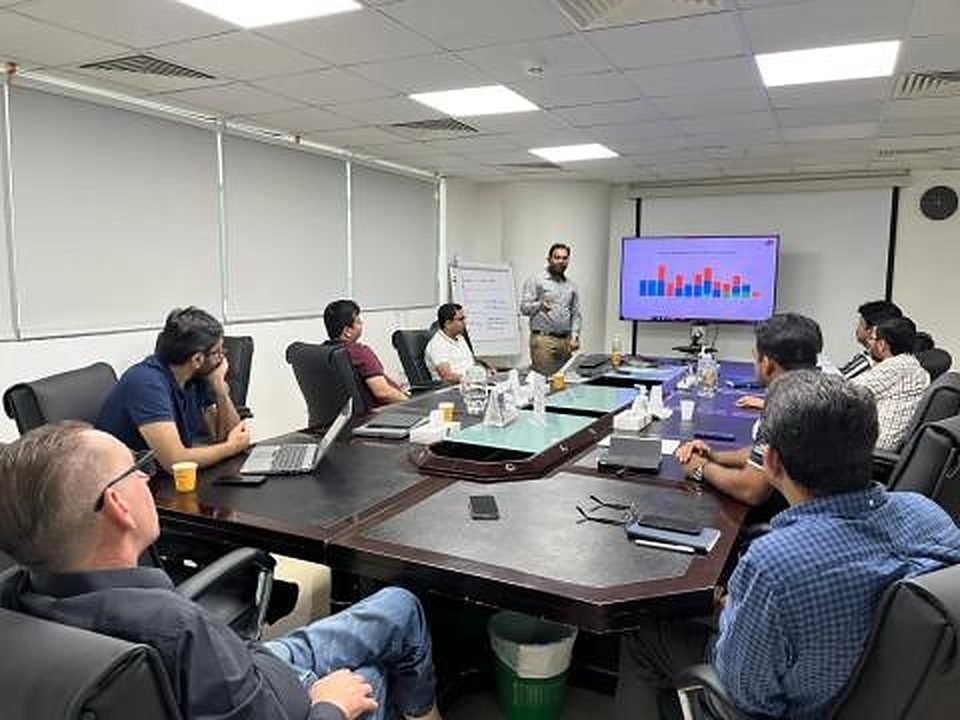
Assessments delivered on site, not from a desk
Oil & gas fields, construction sites, factories and supplier floors across the UAE, KSA and Pakistan: the evidence behind every report.
Recognition
Recognised by the industry

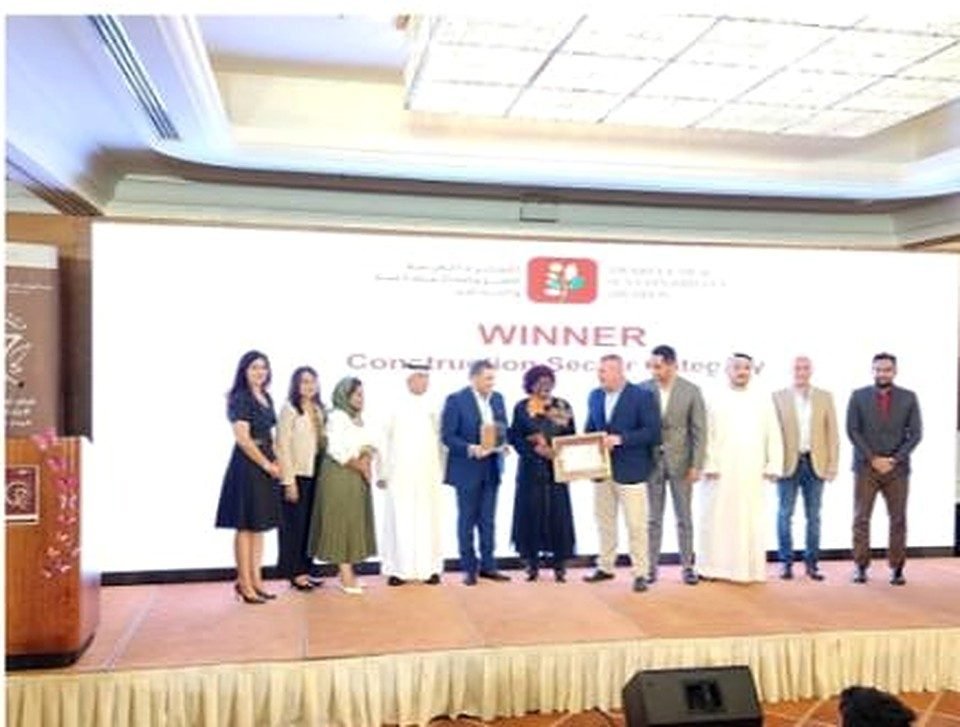
Programmes led by Waseem Akram were recognised as
- Sustainable Contractor of the Year, 2024 & 2025
- Net Zero Technology Champion, two years running
- Dubai Chamber ESG Label
- GCC Construction winner, 17th Arabia CSR & Sustainability Awards
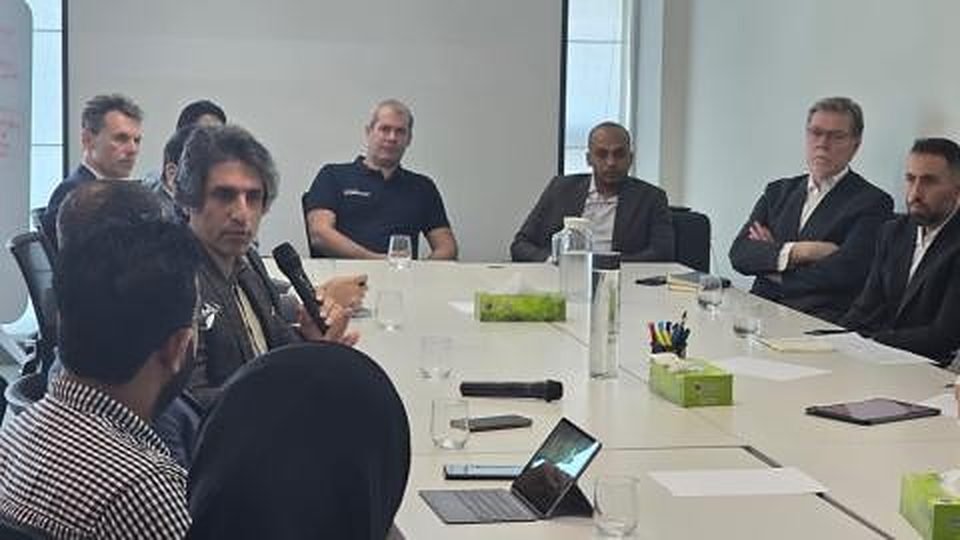
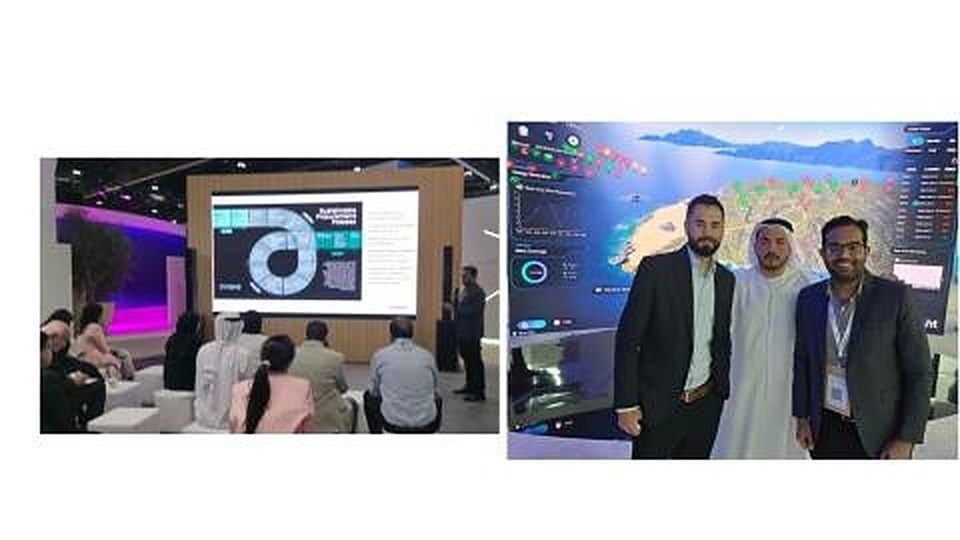
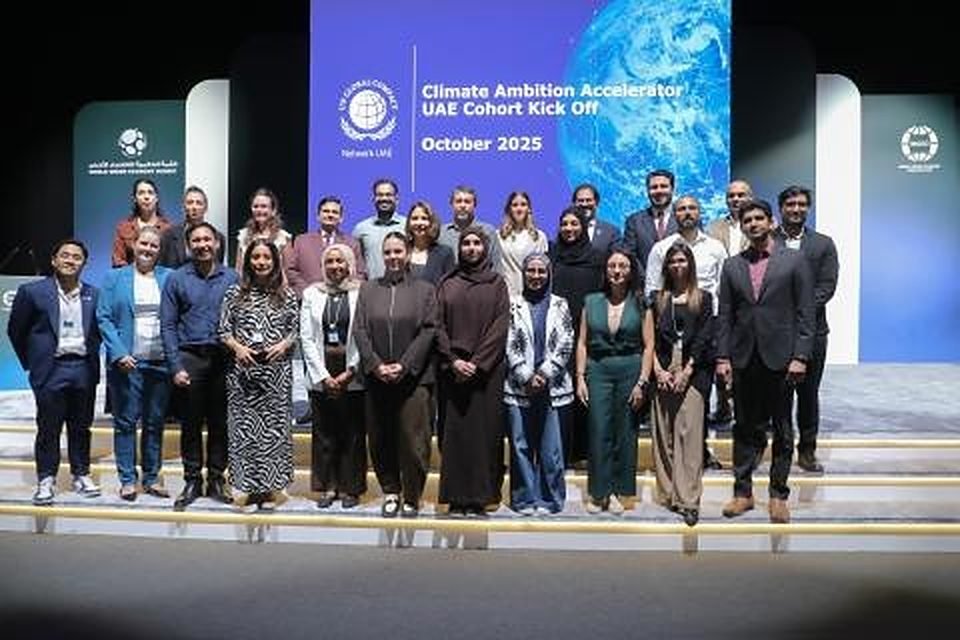
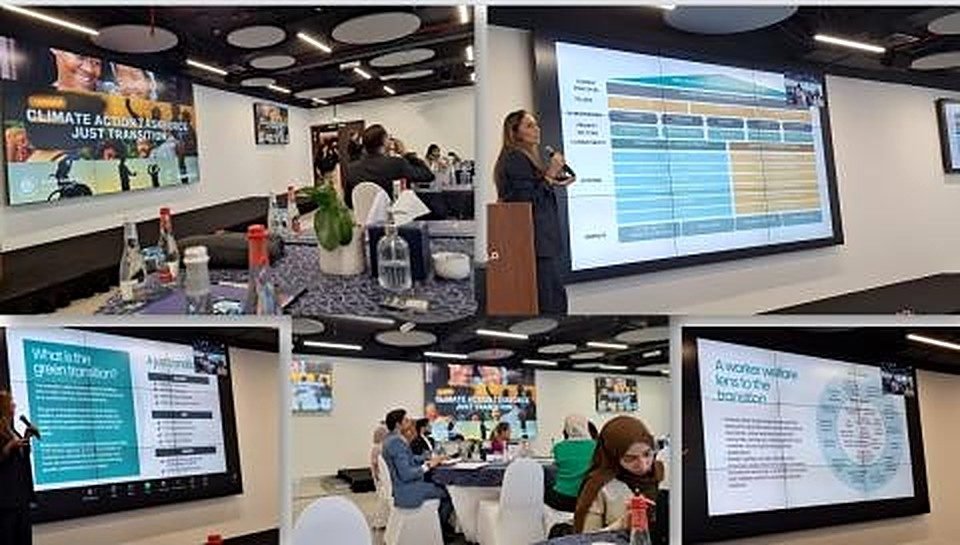
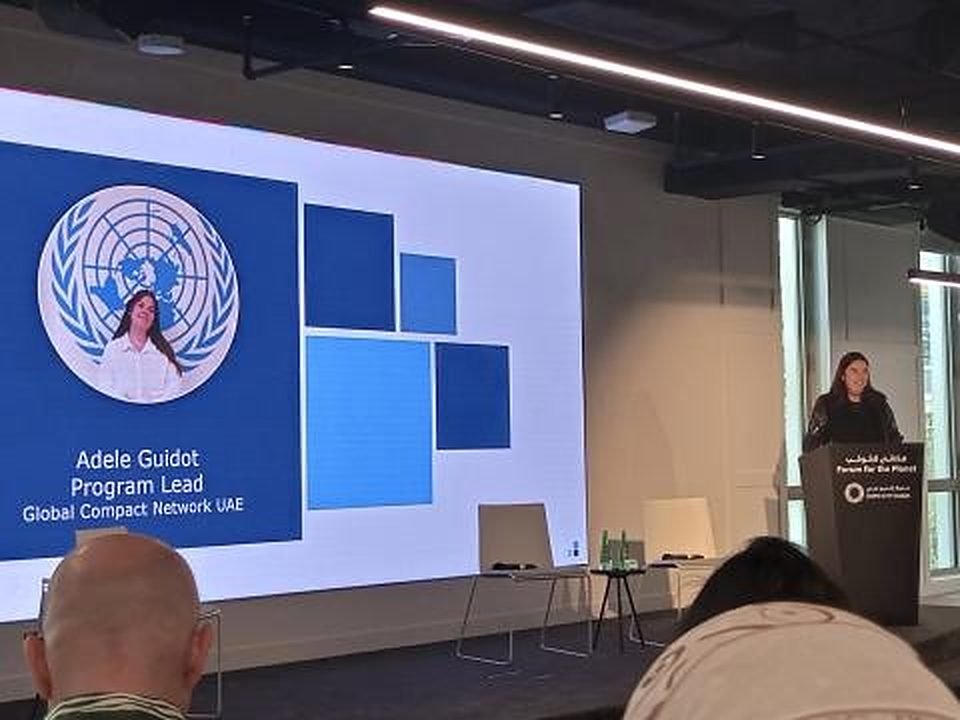
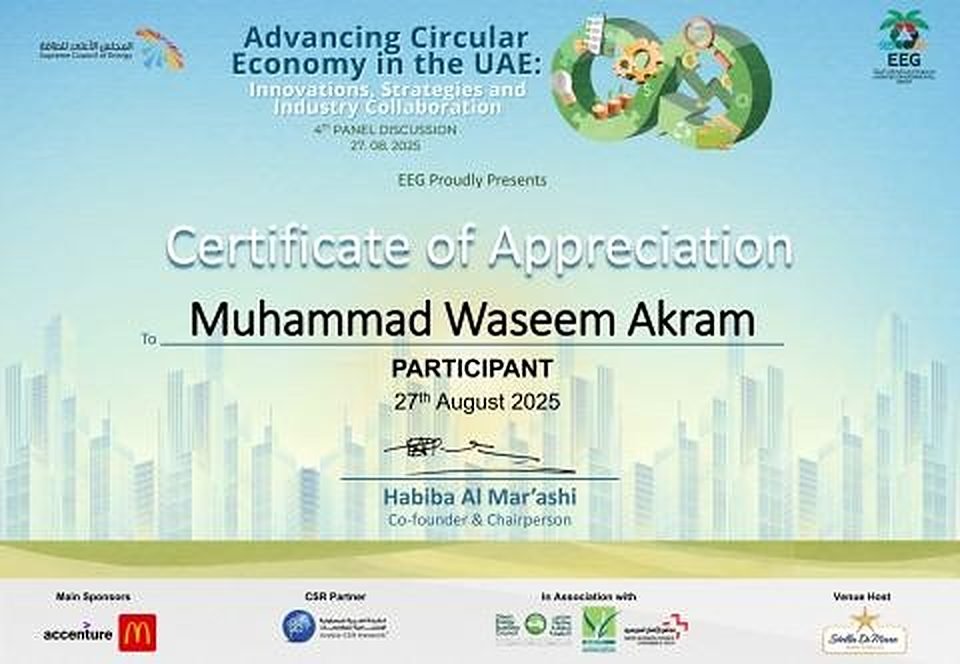
Present where the industry moves



About us
Translating corporate ambition into investor-grade reality
RoshNexa Sustainability Advisory is a Dubai-based ESG, carbon and sustainability advisory. It serves direct clients and consulting partners across the MENA region and beyond, covering carbon accounting, decarbonization, climate risk, sustainability reporting and digital sustainability.
Learn more about usServices
16 service lines in one delivery architecture
Six of the services clients ask for most often. Each has its own page with scope, deliverables and standards.
ESG Strategy, Gap Assessment & Roadmap
Build the ESG operating model before reporting begins.
Learn more →04IFRS S1 / S2 & ISSB Reporting
Investor-grade sustainability and climate disclosures.
Learn more →06GHG Accounting & Carbon Inventory
An auditable Scope 1, 2 and 3 inventory built from raw operational data.
Learn more →07Decarbonization & Net-Zero Strategy
The carbon baseline converted into targets and practical reduction actions.
Learn more →15CBAM Readiness & Embedded Emissions Reporting
Carbon data EU customers can use in their CBAM declarations.
Learn more →16EcoVadis Readiness & Score Improvement
A stronger EcoVadis scorecard, built on real policies, actions and results.
Learn more →Why RoshNexa
Every engagement ends with something auditable
Every engagement ends with something auditable: a verified number, a signed-off register, or a disclosure that holds up in front of a third party.
Cross-sector authority
Over a decade of execution across MENA’s most demanding sectors: manufacturing, oil and gas, construction and EPC.
Audit-ready rigor
Verification-ready documentation built to pass Big 4 and Tier-1 global audits.
Strategic and technical depth
Climate strategy integrated with hands-on engineering, data science and AI-enabled analytics.
120+
external audits defended with global certification and assurance bodies
66% → 99%+
emission factor mapping accuracy, achieved in one year
Tier-1
carbon deliverables for EMAAR, ALDAR, Dubai Holding and NAKHEEL
2×
Net-Zero Technology Champion, 2024 and 2025
Projects
Live dashboards you can open right now
Dashboards run on demonstration data. Also in the toolkit: advanced Power BI, AI-supported emission factor mapping and automated carbon calculators.
GHG Protocol Corporate Dashboard
Scope 1, 2 and 3 for a contractor: dual-reported Scope 2, all 15 Scope 3 categories screened, base-year tracking.
Open dashboard ↗ISO 14064-1ISO 14064-1 Logistics Carbon Dashboard
Categories 1 to 6 for a global freight operator, with GLEC well-to-wake freight factors.
Open dashboard ↗GRI StandardsGRI Standards Construction Dashboard
89 GRI disclosures across the 200, 300 and 400 series from eight project sites, with 27 tracked targets.
Open dashboard ↗Carbon Ledger
Carbon Ledger: Scope 1, 2 and 3 accounting in one place
Carbon Ledger is RoshNexa's software for greenhouse gas accounting. See how it organizes activity data, emission factors and calculations into an inventory you can report from and defend in an audit.
Insights
Latest articles
 GHG Emissions
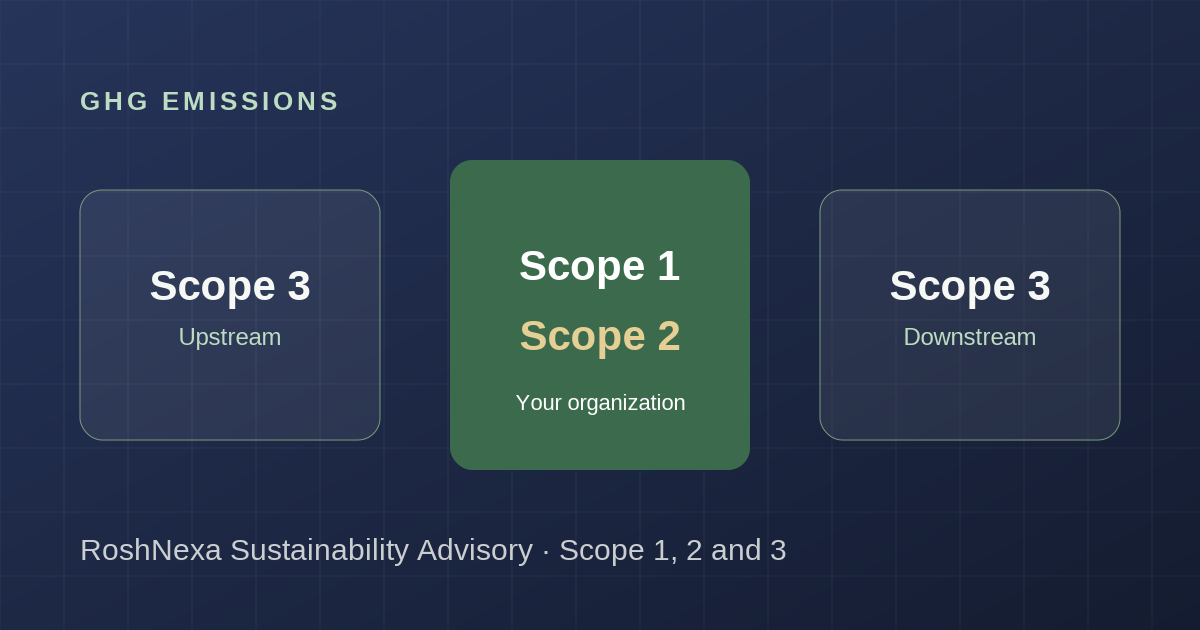
Scope 1, 2 and 3 emissions: what is the difference?
Scope 1, 2 and 3 are the three categories the GHG Protocol uses to classify an organization’s greenhouse gas emissions. This guide explains each scope with practical examples, lists the 15 Scope 3 categories and covers the mistakes that most often weaken an inventory.
 Carbon Management
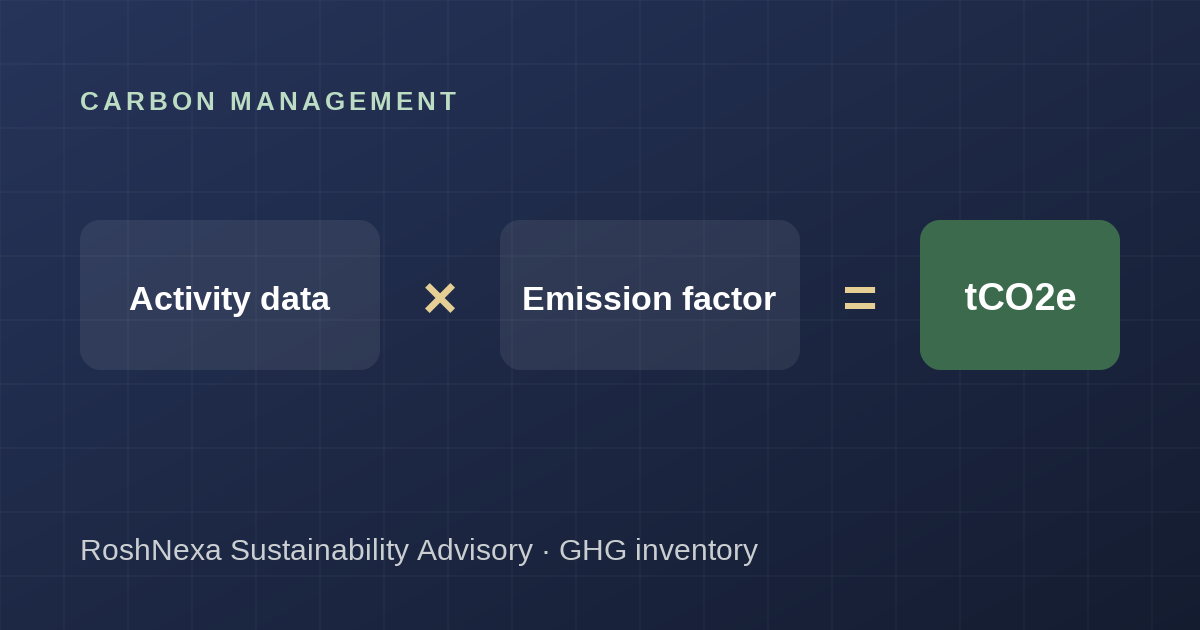
What is a greenhouse gas inventory, and how is a corporate carbon footprint calculated?
A corporate carbon footprint is calculated by multiplying activity data by emission factors, within clearly defined boundaries. This guide walks through the steps of building a greenhouse gas inventory that can stand up to verification.
 ESG
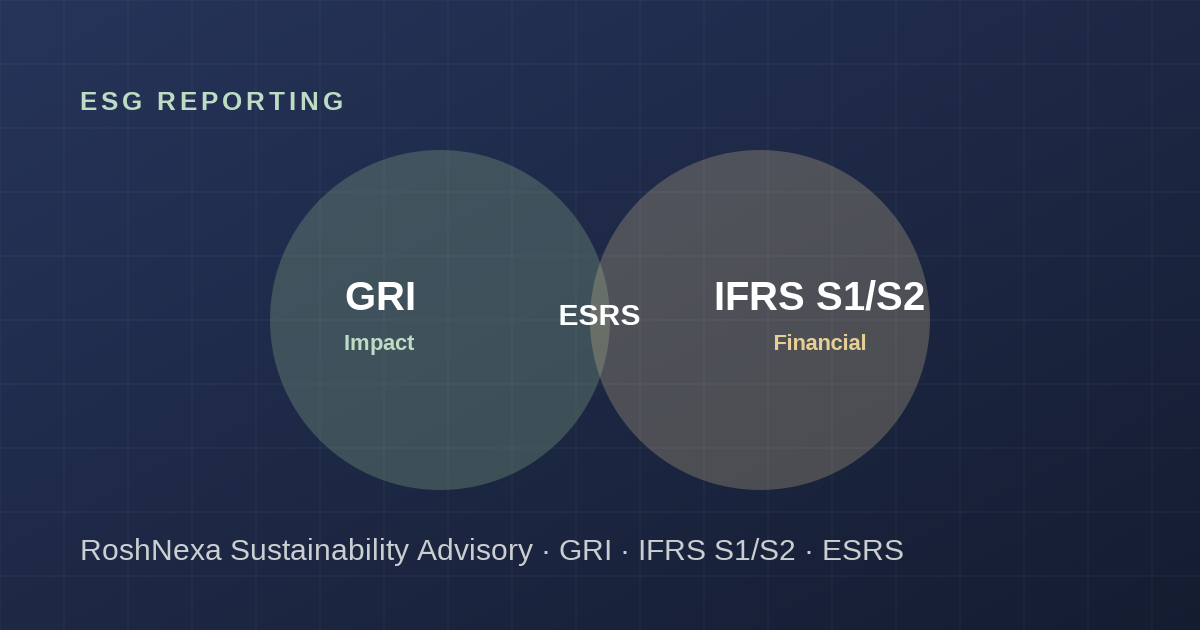
What is ESG reporting? GRI, IFRS S1 and S2, and ESRS compared
ESG reporting is how an organization discloses its environmental, social and governance performance, risks and impacts. This guide explains the main frameworks, how they differ on audience and materiality, and how to decide where to start.
Ready to take your sustainability from ambition to assurance?
The first scoping conversation is free.